
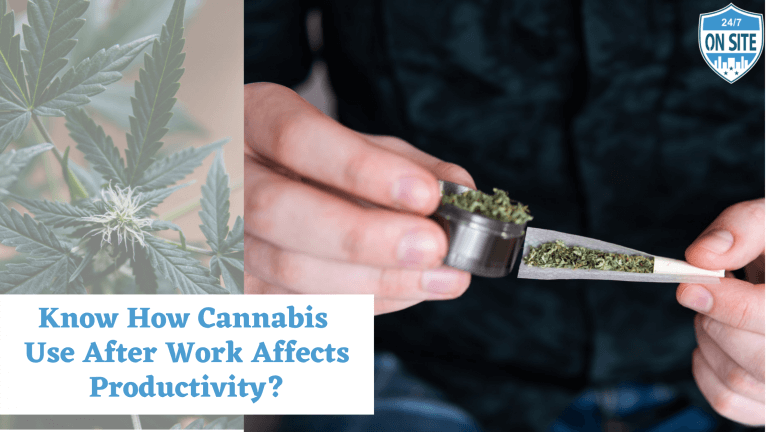
 Drug Testing
Cannabis has been one of the key components for drug testing. Employers today conduct tests for cannabis consumption along with other substances as part of their workplace drug-free policies.
The Reality of Cannabis Use
With the increasing legalization of cannabis for medical and recreational use, employers face new challenges in managing workplace safety while respecting employees' rights.
Impact on Workplace Performance
While some argue that cannabis use outside of work hours doesn't affect job performance, research suggests otherwise:
- Impaired judgment: Cannabis can affect decision-making abilities even hours after use.
- Reduced coordination: Motor skills can be impaired, increasing accident risk.
- Memory issues: Short-term memory can be affected, impacting job performance.
- Attention deficits: Concentration and focus can be diminished.
Residual Effects
THC, the active compound in cannabis, can remain in the system for days or even weeks after use. This means that evening use could potentially affect performance the next day or even later in the week.
Employer Considerations
Employers must balance several factors:
- Safety-sensitive positions require strict policies
- State laws regarding cannabis use vary widely
- Federal regulations (especially for DOT-regulated employers) maintain zero-tolerance policies
- Company culture and employee relations
Testing Options
Various testing methods can detect cannabis use:
- Urine testing: Most common, detects use up to 30 days
- Oral fluid testing: Detects recent use within 24-48 hours
- Hair testing: Detects use up to 90 days
- Blood testing: Detects current impairment
Conclusion
Understanding how cannabis use affects workplace productivity is essential for developing effective drug-free workplace policies. Employers should stay informed about legal requirements and best practices for maintaining a safe work environment.